Why do you remember every word of a song you haven't heard in twenty years?
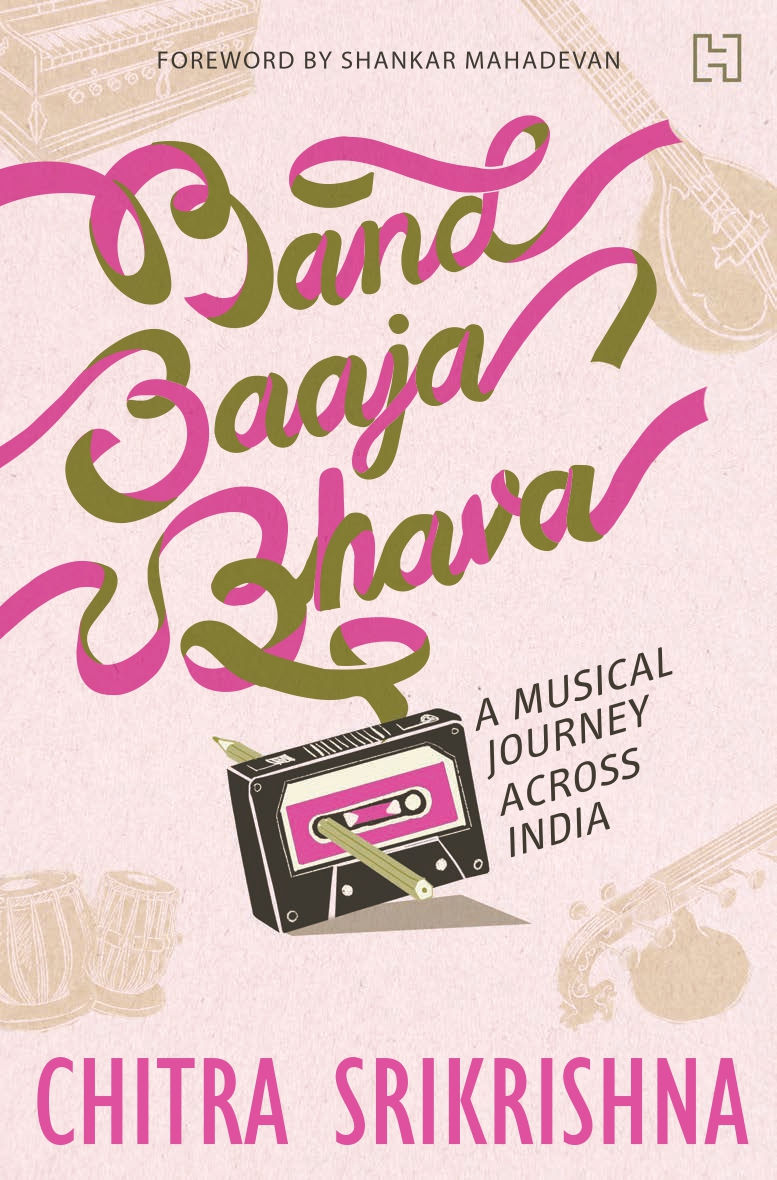
Band, Baaja, Bhava answers the questions you never knew you had about the music that surrounds you every day. Carnatic vocalist and educator Chitra Srikrishna takes you on a journey across India's musical landscape – ragas, kritis, folk songs, ghazals, Bollywood hits, and everything in between.
Enter a sweeping, story-driven exploration of Indian music that shows readers not just how music works, but how it feels, why rhythm moves us, why melodies linger for decades, why lyrics make us weep, and how the sounds of India shape our lives far beyond the concert hall.
Blending personal anecdotes, musical insight, cultural history, and vivid storytelling, this book is a guide for anyone who wants to deepen their relationship with music – whether classical, film, folk, ghazals, rap, or simply the sounds in their everyday environment. Whether you grew up on Carnatic concerts, film songs, or just the sounds of your neighbourhood, this book will change the way you listen – for good.
Singing Praises
Whether you are a seasoned performer dedicating your life to the stage, an enthusiastic novice taking your first steps into the world of swaras, or simply a casual listener who loves humming along in the shower, Band Baaja Bhava will profoundly deepen your relationship with sound.
Shankar Mahadevan
Composer, singer, founder, Shankar Mahadevan Academy, and recipient of the Padma Shri Award
It is rare for a classical musician to celebrate folk, film, and indie music with the same affection she brings to her own tradition. Chitra Srikrishna does exactly that. The result is a warm, wideranging introduction to India’s musical landscape, encompassing the temple, cinema hall, and street, asking only one thing of the reader: to listen more closely.
Manu S. Pillai
writer and historian
Chitra Srikrishna writes engaging and informative prose, without ever turning pedantic. A book that wears its learning lightly, this joyous romp across the diverse musical strands of this country, from high classical to folk and film song, invites everyone – initiate and neophyte alike.
Arundhathi Subramaniam
poet and author
What I particularly admire about Chitra Srikrishna’s approach is her ability to make the seemingly complex world of Indian music accessible without diluting its richness. For the newcomer, this book opens doors into musical worlds that may otherwise seem distant or intimidating. The inclusion of interactive playlists and numerous useful links to YouTube videos makes the reading experience even more immersive, providing effortless visual and audio references that allow readers to discover and experience the music alongside the stories and ideas.
Shashank Subramanyam
flautist and Sangeet Natak Akademi award winner

When my kids were young, I’d get together with a group of other south Indian moms each weekend in the San Francisco Bay Area. Twenty years later we still talk about one weekend – the ‘Chaiyya Chaiyya’ weekend. The Hindi movie Dil Se had been released and we were gathered at a friend’s home in northern California. It was a long weekend and my friend’s home was the party headquarters for a group of tired moms getting together with their equally restless kids. One of the moms played a DVD to keep the kids occupied. The moment Shah Rukh Khan began to serenade Malaika Arora with the song ‘Chaiyya Chaiyya’, the moms morphed into teen girls, screaming and dancing on the family room carpet. The kids, after their initial shock of seeing their moms swinging and gyrating, got in on the action too.
The motley crew of assorted sizes and ages – none of whom spoke Hindi fluently – began clapping, singing, and twirling to the beat of ‘Chaiyya Chaiyya’. The foot stomping, hand clapping, and head shaking continued till the song was over. That afternoon, I was euphoric and tired after dancing. Later, on the drive home, I began to think about what happened.
What was it about the song, in a language we didn’t understand, that got all of us into such a state of euphoria?